
Frame Tents vs Pole Tents: Which Is Right?
- 3 days ago
- 4 min read
Table of Contents
Frame Tents vs Pole Tents: Key Structural Differences
Tent Rental Site Requirements: Ground Surface and Installation
Backyard Event Tent Sizing Guide: Capacity and Space Planning
Pros and Cons: Which Tent Type Fits Your Event
Last Updated: August 27, 2026
Frame Tents vs Pole Tents: Key Structural Differences
When planning a backyard wedding, graduation party, or family celebration, the tent you choose shapes everything about your event. Frame tents and pole tents look similar from a distance, but their internal structures are fundamentally different, affecting where you can set them up, usable space, and guest experience. 🎪
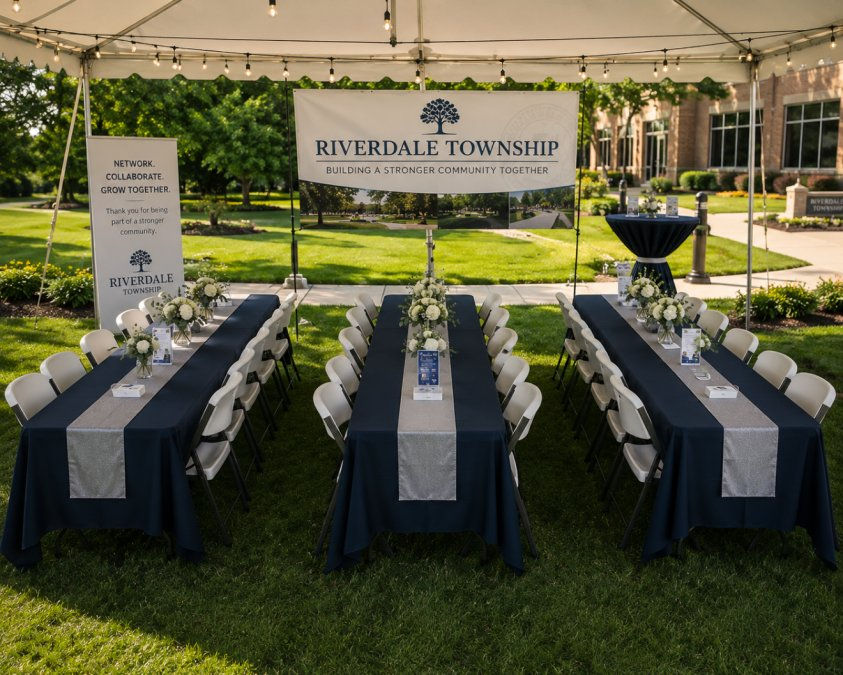
A frame tent is supported by a metal frame around its perimeter with no center poles, creating a completely unobstructed interior. A pole tent uses vertical poles anchored into the ground to support the peak, meaning those poles occupy interior space.

Frame tents distribute weight around the outer frame using guy lines and ballast systems (osha.gov). Pole tents transfer all downward pressure through center poles into the ground. This single difference cascades into setup complexity, usable interior space, installation surface requirements, and visual appeal.
At Sharp Event Rentals, we help event hosts match tent structures to their specific backyard, guest count, and aesthetic vision.

Tent Rental Site Requirements: Ground Surface and Installation
Your backyard's surface is the first limiting factor. Frame tents handle more surface types because they use ballast systems (weighted bags, concrete blocks, or sandbags) distributed around the perimeter to anchor the frame. This means frame tents work on asphalt, concrete, gravel, or grass. Pole tents require driving stakes deep into soil, making them much more restrictive on concrete or asphalt surfaces.
Grass is ideal for pole tents because stakes grip soil naturally. If your backyard is sloped, uneven, or has shallow soil, frame tents become the obvious choice. Setup time also differs sharply: pole tents require more labor to drive stakes and tension guy lines, while frame tents assemble faster because the frame goes together first, then fabric stretches across it. Frame tents with their lower profile and distributed weight also handle wind better when properly ballasted. 🌱

Backyard Event Tent Sizing Guide: Capacity and Space Planning
The interior space difference is dramatic once you account for center poles. A 20x20 pole tent has two center poles consuming roughly 40 square feet of usable space (peer-reviewed research). A frame tent of the same footprint gives you the full 400 square feet.
For backyard events, plan 10-15 square feet per person for a dining setup (the CDC). A 10x20 frame tent gives you 200 square feet, comfortably seating 15-20 people at tables with room for a food station. A 12x12 canopy tent provides 144 square feet, suitable for 10-15 guests or a focused activity area. For guest counts under 25, a frame tent or canopy rental is usually more practical because you avoid center pole obstruction and gain the flexibility to arrange tables, chairs, and décor creatively. ✨

Pros and Cons: Which Tent Type Fits Your Event
Frame tents shine when:
Your backyard has concrete, asphalt, or uneven ground
You want maximum unobstructed interior space
Setup speed matters
You're hosting a formal event where sightlines and aesthetics are priorities
Wind or exposed locations are a concern
Pole tents excel when:
You have soft, stable soil and can drive stakes deep
Budget is your primary concern
You prefer the classic high-peak aesthetic
Your site has plenty of open space for guy lines
You're in a sheltered location where wind isn't a factor
For most backyard events in the Cincinnati area, frame tents or canopy rentals solve more problems than they create. They work on any surface, set up faster, and give you the full interior space you're paying for.
Choosing between frame tents and pole tents comes down to your site and priorities. If your backyard has concrete, asphalt, or uneven ground, a frame tent eliminates setup complications. If you value unobstructed interior space, frame tents give you every square foot. Sharp Event Rentals offers 10x20 canopy tents and 12x12 canopy tents with professional setup and delivery. Check availability and get a quote at (513) 278-7822 or visit https://www.sharpeventrentals.com/pricing for current rates and options.
Frequently Asked Questions
What is the main difference between a frame tent and a pole tent?
Frame tents use a rigid metal frame structure that requires no center poles, creating completely unobstructed interior space. Pole tents rely on vertical center poles for structural integrity and tensioned fabric to distribute wind load. Frame tents offer clear span coverage, while pole tents require the poles inside your event footprint. For backyard events, frame tents eliminate seating conflicts and create a cleaner aesthetic.
Can frame tents and pole tents be set up on any surface?
Frame tents are more flexible and can be installed on asphalt, concrete, or grass with proper ballast systems or staking. Pole tents require solid ground penetration for stakes and guy lines, making grass or soft soil ideal. If your backyard has concrete patios or hard surfaces, a frame tent setup is typically easier. Check your specific venue constraints before committing to a tent type.
Which tent type is better for a backyard wedding?
Frame tents are often preferred for backyard weddings because they offer unobstructed interior space, cleaner aesthetics, and faster setup time with less labor. Pole tents can work but require careful placement of center poles around seating arrangements. If your backyard has limited space or you want maximum flexibility in furniture layout, a frame tent rental provides the polished look and ease of installation most couples prefer.
Check Availability & Get a Quote
This article was written using GrandRanker


Comments