
How to Plan an Outdoor Backyard Wedding: Step-by-Step
Table of Contents
How to Plan an Outdoor Backyard Wedding: The Essential Steps
Create Your Backyard Wedding Checklist
Set Your Backyard Wedding Budget
Understand Backyard Wedding Permits and Legal Requirements
Last Updated: July 20, 2026
How to Plan an Outdoor Backyard Wedding: The Essential Steps
Planning an outdoor backyard wedding requires balancing logistics, aesthetics, and guest comfort while managing budget and timeline. According to The Knot 2026 Wedding Planning Guide, couples who plan systematically report 40% less stress during their event.
Create Your Backyard Wedding Checklist
Start by listing non-negotiables: guest count, date, weather backup plan, and vendor access. Conduct a property assessment by measuring square footage, noting tree locations, slope, soil conditions, neighbor proximity, and electrical outlet access. This 30-minute investment prevents costly rental mistakes.
Pro Tip Before booking vendors, confirm your local noise ordinance and whether you need permits. A quick call to your city planning department prevents last-minute shutdowns.
Create a master timeline working backward from your event date. Twelve weeks out, finalize your guest list and secure major vendors. Eight weeks out, book your tent and rental equipment. Six weeks out, confirm permits and arrange catering. Two weeks out, do a final walkthrough with vendors.
Set Your Backyard Wedding Budget
Allocate 40% to catering and beverages, 25% to rentals (tent, tables, chairs, lighting), 15% to decor and flowers, 10% to entertainment or photography, and 10% to contingencies.
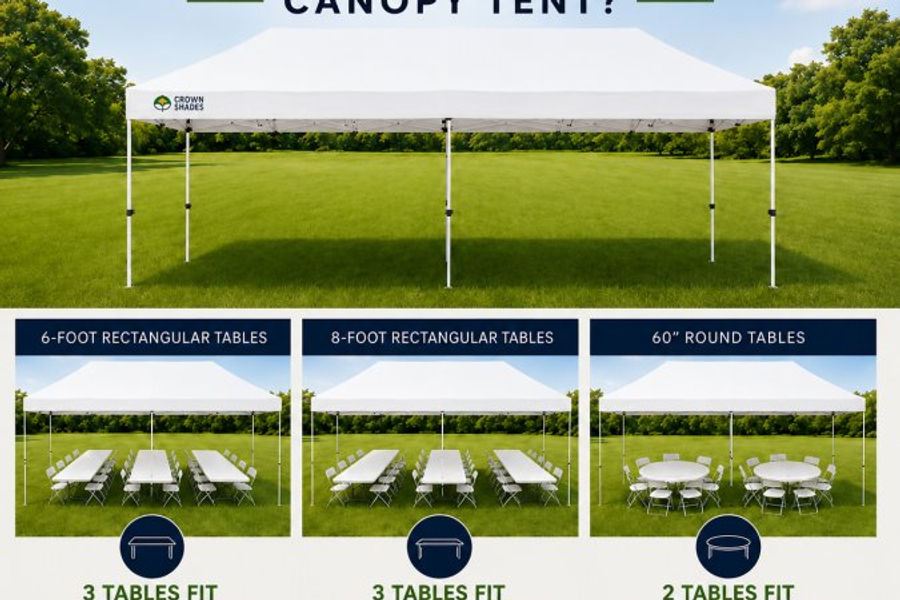
For a 75-person backyard wedding, tent rental typically represents your largest equipment expense. Sharp Event Rentals offers 10x20 premium canopy tents and 12x12 canopy tents that provide weather protection and define your reception space. Round tables create an intimate feel; rectangular tables work for family-style dinners.
Key Takeaway Allocate 10-15% of your total budget as a contingency for unexpected costs like additional restroom rentals, extra lighting, or weather-related changes.
Catering costs vary based on menu complexity and service style. A Chill and Fill Beverage Table from Sharp Event Rentals keeps drinks accessible without requiring constant trips to the kitchen.
Understand Backyard Wedding Permits and Legal Requirements
Permit requirements vary by jurisdiction. Contact your city or county planning department and ask: Do I need an event permit? What's the noise ordinance? Are there restrictions on amplified sound? Do I need to notify neighbors?
National Association of County and City Health Officials provides guidance on food service permits, critical if you're hiring a caterer. Liability insurance is equally important, your homeowner's policy typically does NOT cover large gatherings. Event insurance protects you if a guest is injured or property is damaged and typically costs $200-400 for a one-day event.
Watch Out Skipping permits and insurance feels like saving money until someone gets injured on your property or a neighbor files a noise complaint that shuts down your event mid-reception.
Plan Your Backyard Wedding Decorations Ideas and Layout
Sketch your yard to scale, marking the house, trees, fence, driveway, and permanent structures. Overlay your tent, tables, bar, dance floor, and ceremony seating.

Elegantly decorated outdoor backyard wedding reception with white resin folding chairs arranged around 60-inch round tables, white tent overhead with string lights, and floral centerpieces on tables
Position the ceremony altar where the sun won't be in guests' eyes. Create conversation zones by clustering tables rather than lining them in rows. Position the bar near the catering area for easy restocking but visible to guests. Direct guests clearly to portable restrooms and ensure the path is well-lit.
Decor transforms the space from "backyard" to "wedding venue." String lights overhead create intimacy. Tall centerpieces on round tables allow sightlines across the room. A 10x20 premium canopy tent with white sidewalls creates an elegant backdrop.
Secure Tent Rentals and Weatherproofing
The tent is your insurance policy against weather and your most important aesthetic investment. Sharp Event Rentals offers 10x20 and 12x12 premium canopy tents. Size your tent generously, aim for 10-12 square feet per guest. For 75 people, you'll need multiple tents or a larger primary tent with a separate catering shelter.
BACKYARD WEDDING TIPS | What to Splurge on | Things to DIY
Confirm that your tent rental includes secure anchoring, sidewalls, flooring or ground cover, lighting, and ventilation. If rain is forecast, confirm your tent is waterproofed and sidewalls are installed. If extreme heat is predicted, add fans or AC units.
Arrange Restroom and Sanitation Solutions
For backyard weddings under 50 people, your home's bathrooms might suffice. Beyond that, portable restrooms are necessary. For a 75-person wedding, one luxury trailer or two basic units is standard. Position restrooms discreetly but accessibly, not in the sightline of the ceremony or reception, but clearly marked and well-lit.
Hand-washing stations near food service areas are required by health codes. Trash and recycling bins must be placed strategically and emptied regularly.
Manage Parking and Guest Accessibility
Parking logistics determine your guests' first impression. Options include street parking (confirm with neighbors and check local regulations), nearby lot rental, valet parking, or shuttle service. Mark parking areas clearly with signage.
Ensure flat or ramped entry, clear pathways free of tripping hazards, accessible seating near restrooms and entry points, and accessible parking spaces as close as possible to the entry.
Coordinate Lighting and Decor Transformation
Lighting is the difference between a daytime backyard and an evening wedding venue. Options include string lights (bistro-style overhead for warmth and intimacy), uplighting (colored lights on trees or tent poles), pathway lighting (solar stakes or luminarias), and table lighting (candles or battery-operated tea lights).

Plan your lighting design in daylight by imagining the space after dark. Outdoor lighting requires electrical infrastructure; confirm your venue has adequate outlets or plan to rent a generator.
Plan Catering Logistics and Bar Service
Discuss these details with your caterer weeks in advance: kitchen access, serving style (plated, buffet, or family-style), bar service, timeline, dietary restrictions, and equipment. Confirm setup time, service schedule, and breakdown time.
A Chill and Fill Beverage Table keeps drinks cold and accessible throughout the reception. Confirm your caterer is trained in responsible alcohol service. Event insurance covers liability if a guest is injured after consuming your alcohol.

Create Your Vendor Coordination and Timeline
Create a master spreadsheet listing every vendor, contact information, quoted price, deposit paid, final payment due, and delivery/setup time. Confirm these details 2 weeks before the event: delivery date and time, setup requirements, setup and breakdown time, contact information, and contingency plans.
A typical timeline for a Saturday evening wedding: Friday, tent and table delivery; Saturday morning, lighting and decor installation; Saturday afternoon, guest arrival and ceremony; Saturday evening, reception and breakdown.
Address Insurance and Liability Concerns
Event liability insurance protects you if a guest is injured or property is damaged during your wedding. Your homeowner's policy typically excludes large events. Event insurance typically covers guest injury, property damage, and liquor liability at $200-400 for a one-day event.
Confirm your caterer and entertainment vendors carry their own liability insurance. Request certificates of insurance and verify coverage before the event.
Plan for Neighbor Relations and Noise Management
Notify neighbors 2-3 weeks before your event. Share the event date and time, expected guest count, noise level, and parking plan. A friendly conversation is more effective than a formal notice.
Manage noise actively: confirm your local noise ordinance, schedule louder activities earlier in the evening, monitor sound levels with your DJ or live band, and communicate with neighbors during the event if they express concern.
Finalize Your Backyard Wedding Checklist and Contingency Plans
Two weeks before your event, finalize every detail and create contingency plans. Confirm all vendor deliveries, finalize guest count, do a yard walkthrough, test lighting, arrange day-of coordination, create a weather contingency plan, and brief key people.
Planning Phase | Key Actions | Timeline |
Initial Planning | Secure date, create guest list, set budget | 12 weeks before |
Vendor Booking | Book tent, caterer, photographer, entertainment | 10-8 weeks before |
Logistics | Confirm permits, arrange parking, plan layout | 8-6 weeks before |
Details | Finalize menu, confirm guest count, design decor | 6-4 weeks before |
Final Coordination | Confirm all vendor deliveries, do yard walkthrough | 2 weeks before |
Day-of | Execute timeline, coordinate vendors, manage contingencies | Event day |
Planning an outdoor backyard wedding is fundamentally about managing logistics so the celebration can happen naturally. The couples who enjoy their weddings most are the ones who anticipated problems, communicated clearly with vendors, and built flexibility into their plans.
Sharp Event Rentals simplifies the equipment side of this equation. Our white resin folding chairs, 60" round tables, 10x20 and 12x12 premium canopy tents, and Chill and Fill Beverage Tables are designed for backyard events. We handle delivery and full setup from our Bethel, Ohio location. For availability and a custom quote, visit https://www.sharpeventrentals.com/pricing or call (513) 278-7822.

Frequently Asked Questions
What permits do I need for a backyard wedding?
Permit requirements vary by location in the Cincinnati area. Most municipalities require permits for gatherings over a certain guest count (often 50+), outdoor amplified sound, or temporary structures like tents. Contact your local township or city clerk to confirm requirements for your specific address. Some areas also have noise ordinances limiting event hours. Starting this process 4–6 weeks early prevents last-minute delays.
How do I create a backyard wedding checklist that covers everything?
A comprehensive backyard wedding checklist should include: guest count and RSVPs, rental equipment (tables, chairs, tent), catering and bar setup, restroom facilities, parking plan, permits and insurance, lighting and decor, weather backup plan, vendor access details, and post-event cleanup. Break tasks into phases: 3 months out (venue and permits), 6–8 weeks (rentals and catering), 2–4 weeks (final confirmations), and 1 week (final walkthrough and timeline review).
How much should I budget for a backyard wedding?
Backyard wedding budgets depend on guest count, rentals, and catering. For essential rentals, white resin folding chairs run $5 each, 60" round tables $13 each, and a 10x20 premium canopy tent starts at $160. For 80 guests with basic seating and a tent, rentals alone could range significantly. Visit https://www.sharpeventrentals.com/pricing for complete pricing on all equipment options to build an accurate budget.
What should I do if bad weather threatens my backyard wedding?
A weather backup plan is essential. Rent a tent—a 10x20 canopy provides solid coverage for ceremony and reception areas. Check the forecast 1 week before and have a communication plan ready for guests. Consider a rain date or indoor backup location. Ensure your rental company can deliver and set up quickly if weather deteriorates. Clear drainage around your property and have extra tarps on hand for equipment protection.


Comments